Want to Make America Prosperous Again? Bet on Nature, not Fossil Fuels
Land restoration, clean energy, and sustainable agriculture offer better investment returns and more US jobs than oil, gas, and coal.
Land restoration, clean energy, and sustainable agriculture offer better investment returns and more US jobs than oil, gas, and coal.

To prepare students for the job markets that will await them, let’s focus on the skills, not the scores.

Arts and culture organizations have the power to drive the cultural movement America needs to deliver democracy.
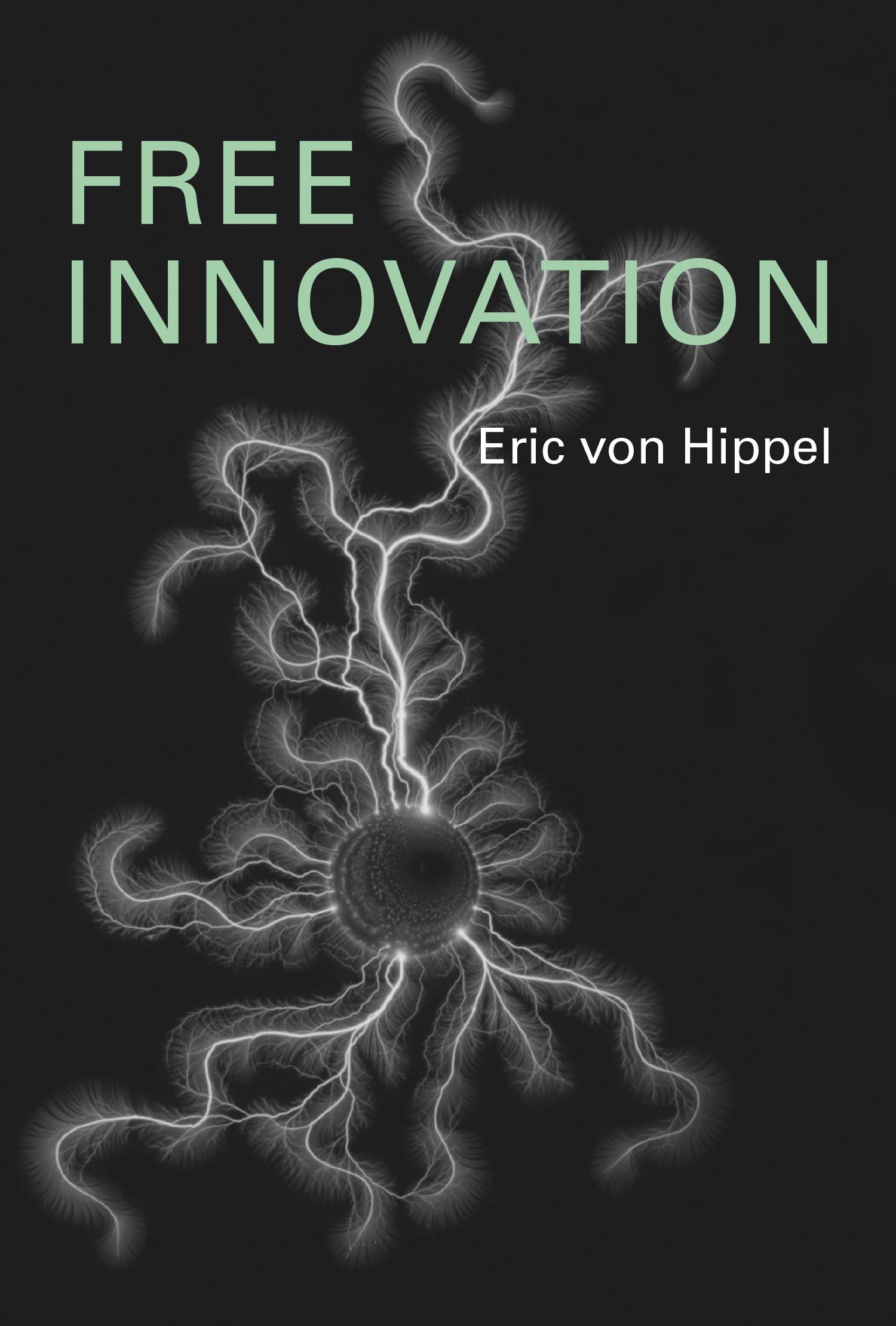
New findings on the large scale and importance of innovation by consumers fundamentally change how we understand the innovation process.
Four strategies for scale from a local mattress recycling effort that is going beyond waste reduction and expanding across the United States.
A group of inmates is benefitting from a practice that’s badly needed both within and beyond prison walls.
Lessons from the deep past can help us shape what’s to come.
The right support can put the nation’s most vulnerable students on track to graduate high school prepared for postsecondary school, but efforts to secure evidence of what works are currently too burdensome.

Impact bonds supporting early childhood development can bridge capital gaps, improve the quality of services, and establish effective data-sharing systems.

Protecting the independent media and the public sphere presents an epic challenge, but there is great opportunity for philanthropy to step up and help.